
Updates
LVIC26: What the Future of Mortgage Finance Looks Like
.png)
The mortgage industry has spent the last several years learning how to do more with less.
At the 2026 Loan Vision Innovation Conference, the conversation evolved.
What happens when technology does more than make an existing process faster? What happens when AI moves from answering questions to taking action? And what does that mean for the finance professionals, technology partners and leaders responsible for building the next generation of mortgage operations?
Those questions shaped LVIC26.
Held September 15–16 in Dallas, LVIC26 brought together mortgage finance leaders, technology experts, partners and Loan Vision customers for two days focused on the challenges facing the industry today and the opportunities emerging for tomorrow.
Across the Main Stage and Executive Track, one message became increasingly clear:
The next era of mortgage finance will not be defined by simply adopting more technology. It will be defined by how effectively organizations connect their technology, people, data and processes to operate differently.
The Future of Mortgage Finance Is Already Taking Shape
Loan Vision CEO Paul Loftus opened LVIC26 with The Future of Mortgage Accounting, looking at Loan Vision’s own transformation alongside the changing needs of the mortgage industry. His keynote explored Loan Vision’s AI strategy and technology roadmap and how both are being shaped around a fundamental challenge for mortgage organizations: maintaining profitability even when market conditions are difficult.
COO and General Manager Ben Saunders followed by turning that vision toward tangible innovation. His Product and Subscription Unveiling highlighted recent advancements, upcoming capabilities and the role customer feedback continues to play in determining what Loan Vision builds next.
That set the stage for a broader conversation that continued throughout LVIC26.
Marina Walsh, VP of Industry Analysis at the Mortgage Bankers Association, brought the economic picture into focus through a Mortgage Market Outlook covering rates, housing demand, home prices, originations, loan performance and how lenders and servicers are navigating the current environment.
Rob Chrisman and Robbie Chrisman approached the industry’s evolution from a different angle during Old School vs. New School: Chrisman vs. Chrisman. Two generations of mortgage banking experience came together to debate what is changing, what continues to work and where the industry goes next.
Different sessions. Different perspectives. But together, they underscored the same reality: mortgage organizations cannot build their future by assuming tomorrow will operate like yesterday.
AI Is Moving From Experimentation to Execution
If one topic connected nearly every part of LVIC26, it was artificial intelligence.
But the conversation in Dallas had moved well beyond whether AI belongs in mortgage banking.
The more important questions were where it creates value, how organizations measure that value and how AI can be deployed responsibly.
Mason Whitaker, President of Volt Technologies, explored the Microsoft ecosystem already surrounding Loan Vision customers, from Business Central and Microsoft 365 to Power BI, Azure and Microsoft’s emerging AI capabilities. His session demonstrated how those existing technologies can become the foundation for a more connected and intelligent operating environment.
Garth Graham, Senior Partner at STRATMOR Group, brought ROI directly into the conversation. His session examined findings from an industry-wide AI adoption survey, connecting adoption with measurable efficiency and profitability gains while also challenging attendees to consider something equally important: which interactions should not be automated.
Michael Hammond, President of NexLevel Advisors, carried that conversation across the loan lifecycle in the Executive Track. He explored how AI can automate document processing, reduce manual work, manage exceptions, improve quality control and give finance leaders faster visibility into performance. Just as importantly, the session addressed the governance, human oversight, audit trails and measurable ROI necessary to turn AI from experimentation into sustainable operational value.
Lizz Patnaude of Richey May and Michael Nouguier of RM Cyber tackled what happens as AI moves even further, from automation toward autonomy. Their session explored control, accountability and trust as organizations begin delegating more decision-making to AI, particularly within regulated environments where financial accuracy remains non-negotiable.
Taken together, these conversations pointed toward a more mature stage of AI adoption.
The question is becoming less about whether AI can do something and more about whether it should, what value it creates and how organizations remain in control when it does.
Meet the Next Evolution of Luna
LVIC has always served as a place to show the Loan Vision community what is coming next.
This year, that meant the debut of Luna 2.0.
Ben Saunders, Jeff Bingham and Gina Johnson took the Main Stage to give attendees an exclusive look at Luna 2.0 and the next major step in Loan Vision’s AI journey. Attendees saw firsthand how Luna is evolving beyond answering questions to become a more proactive, action-oriented AI teammate within Loan Vision.
Luna 1.0 introduced customers to an AI teammate that could help users get answers and access knowledge inside Loan Vision.
Luna 2.0 takes the concept further.
Instead of simply answering a question, Luna is evolving toward taking action inside the platform, opening the door to an entirely different relationship between mortgage finance professionals and their technology.
That distinction matters.
The biggest opportunity for AI in mortgage finance may not be giving people another place to ask questions. It is reducing the distance between identifying what needs to happen and actually getting it done.
That means giving finance professionals more capacity to analyze results, investigate exceptions, advise the business and make decisions instead of spending valuable time on repetitive processes.
The Luna 2.0 debut made the larger AI conversation happening throughout LVIC26 tangible. The future being discussed on stage was not theoretical. It was already beginning to take shape.
Profitability Still Comes Down to Operational Discipline
For all the attention surrounding AI, LVIC26 also reinforced that meaningful innovation starts with practical business problems.
Michael McAuley and Steve Stone of Garrett, McAuley & Co. examined The Bermuda Triangle of Mortgage Operations: Seven Ways Loans, Payments, and Profits Disappear Between Secondary Marketing, Loan Servicing, and Accounting.
Their Executive Track session focused on a critical period between closing and final settlement, identifying common areas where money can be lost, from pricing leakage to escrow balances that do not reconcile, and the controls that can help organizations catch those issues.
Veteran mortgage CFO Paul Hubbard looked at profitability from the executive level during Winning the Mortgage Cycle: Margin, Leadership, and Technology in a Volatile Market. His session explored balancing volume and profitability, controlling costs, strengthening capital and building organizations capable of scaling across market cycles. He also examined how AI and automation can improve efficiency, visibility and decision-making.
These conversations were an important counterbalance to the excitement surrounding emerging technology.
Because transformation is not about implementing technology for technology’s sake.
It is about protecting margins, strengthening controls, improving visibility and creating an operation capable of adapting when the market changes.
Innovation Requires an Ecosystem
The ideas shared at LVIC26 extended beyond Loan Vision itself.
Our sponsors helped bring together an ecosystem of expertise spanning mortgage finance, accounting, reporting, AI, automation and technology.
Continia joined us as our Headline Sponsor, alongside Platinum Sponsors Accu-Keep, Cosmos, insightsoftware, and Volt Technologies, and Gold Sponsors JAV Services, Advisent, Richey May, and Rate.
Their involvement reinforced an important reality about where mortgage technology is headed.
No single application exists in isolation anymore.
Finance teams increasingly depend on connected systems, specialized expertise, intelligent automation and data that can move more effectively across their technology environments. Building a stronger mortgage operation means creating an ecosystem in which those pieces complement one another rather than creating more silos.
That spirit of partnership is an important part of what LVIC represents and what makes the Loan Vision community stronger.
Recognizing the Organizations Moving the Community Forward
Innovation is ultimately about people and organizations willing to put new ideas into practice.
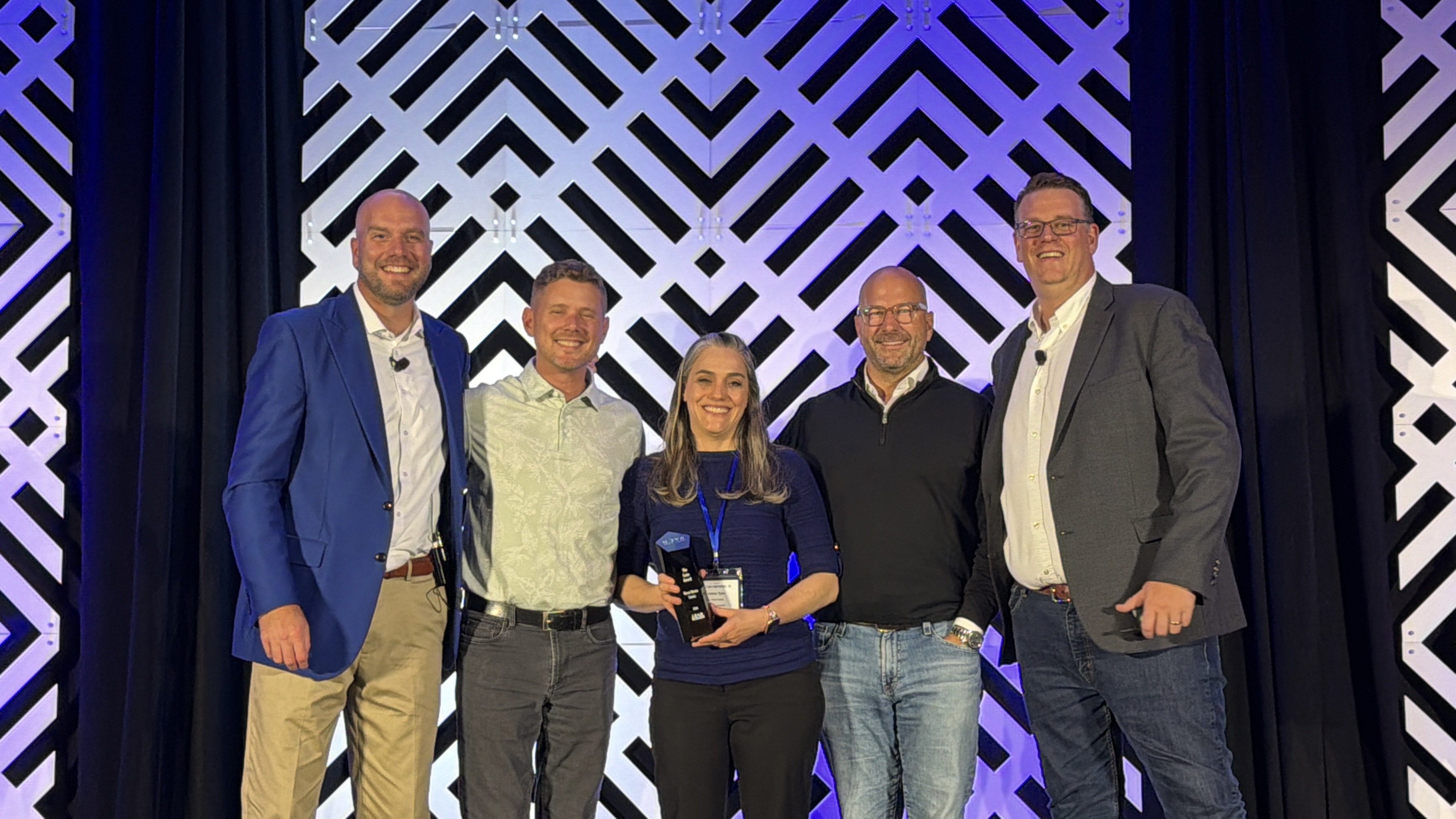
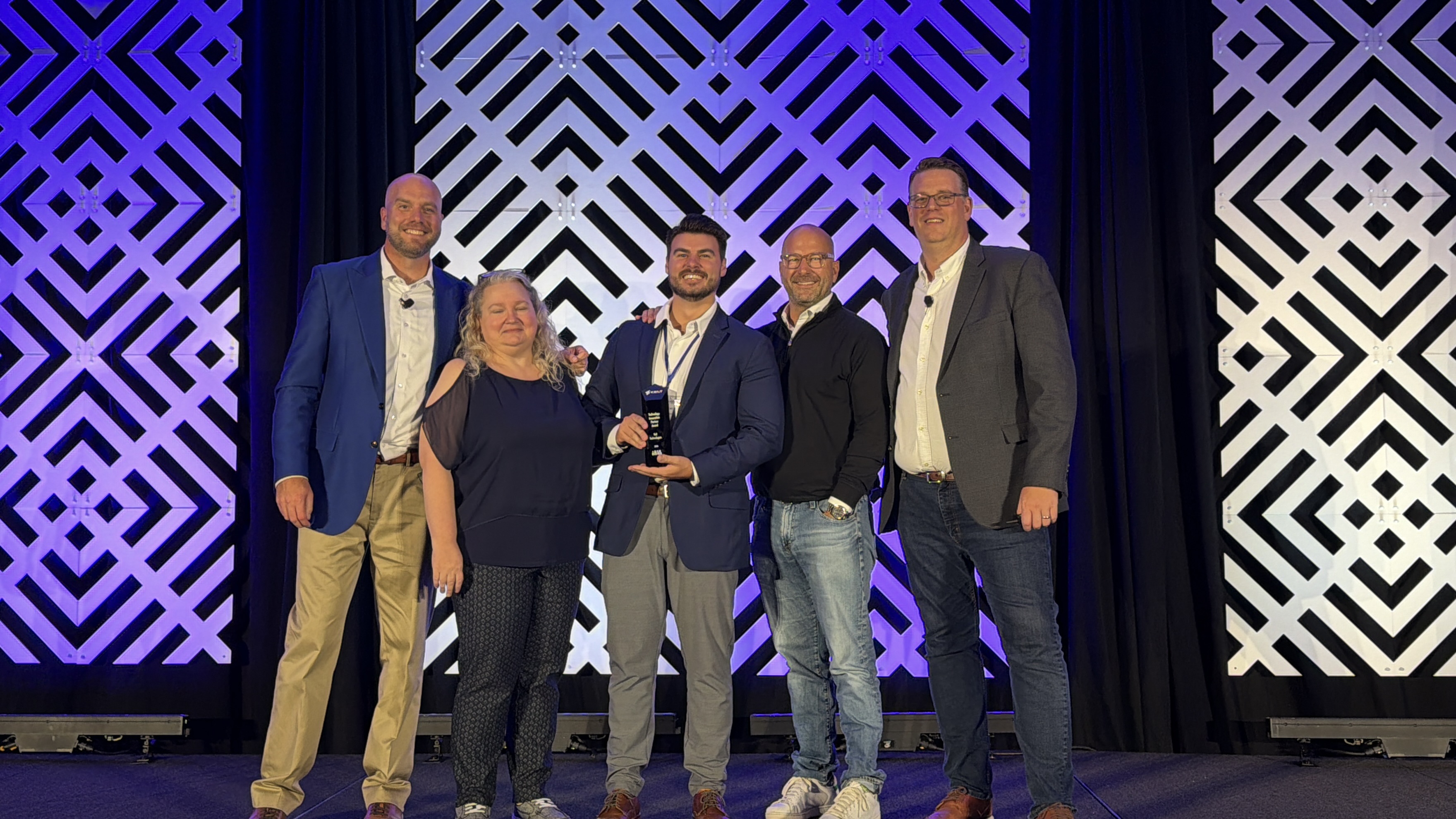
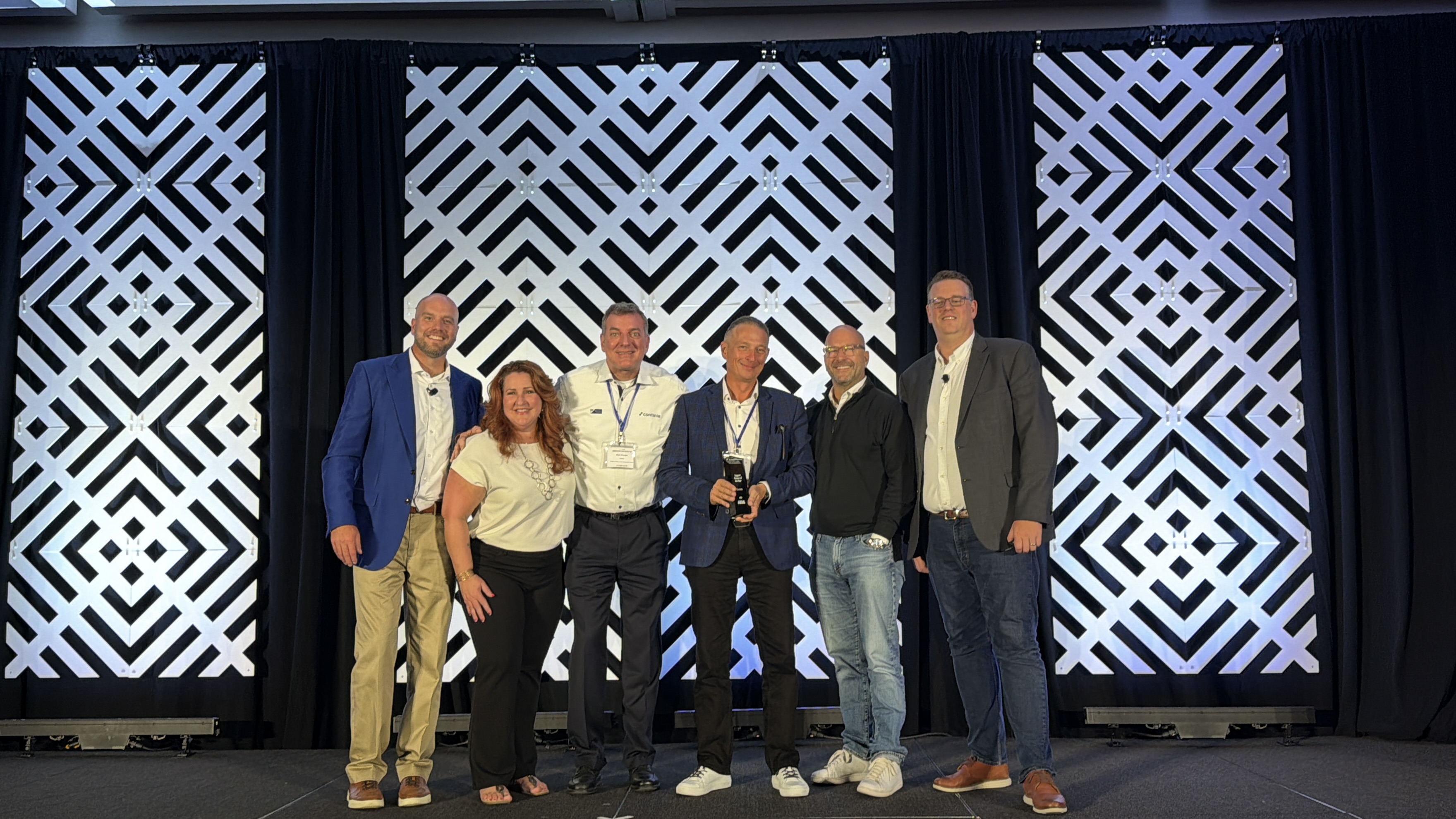
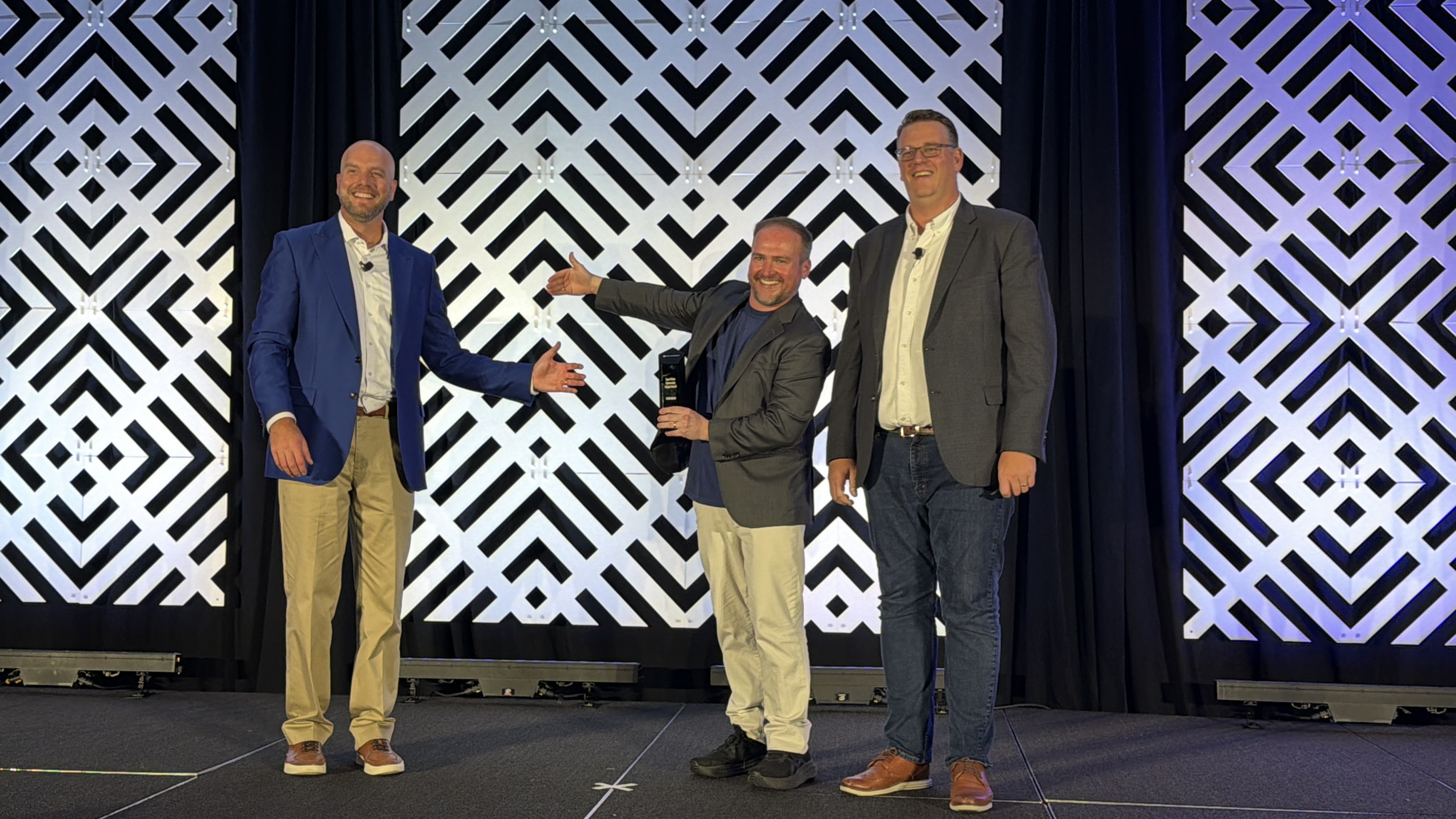
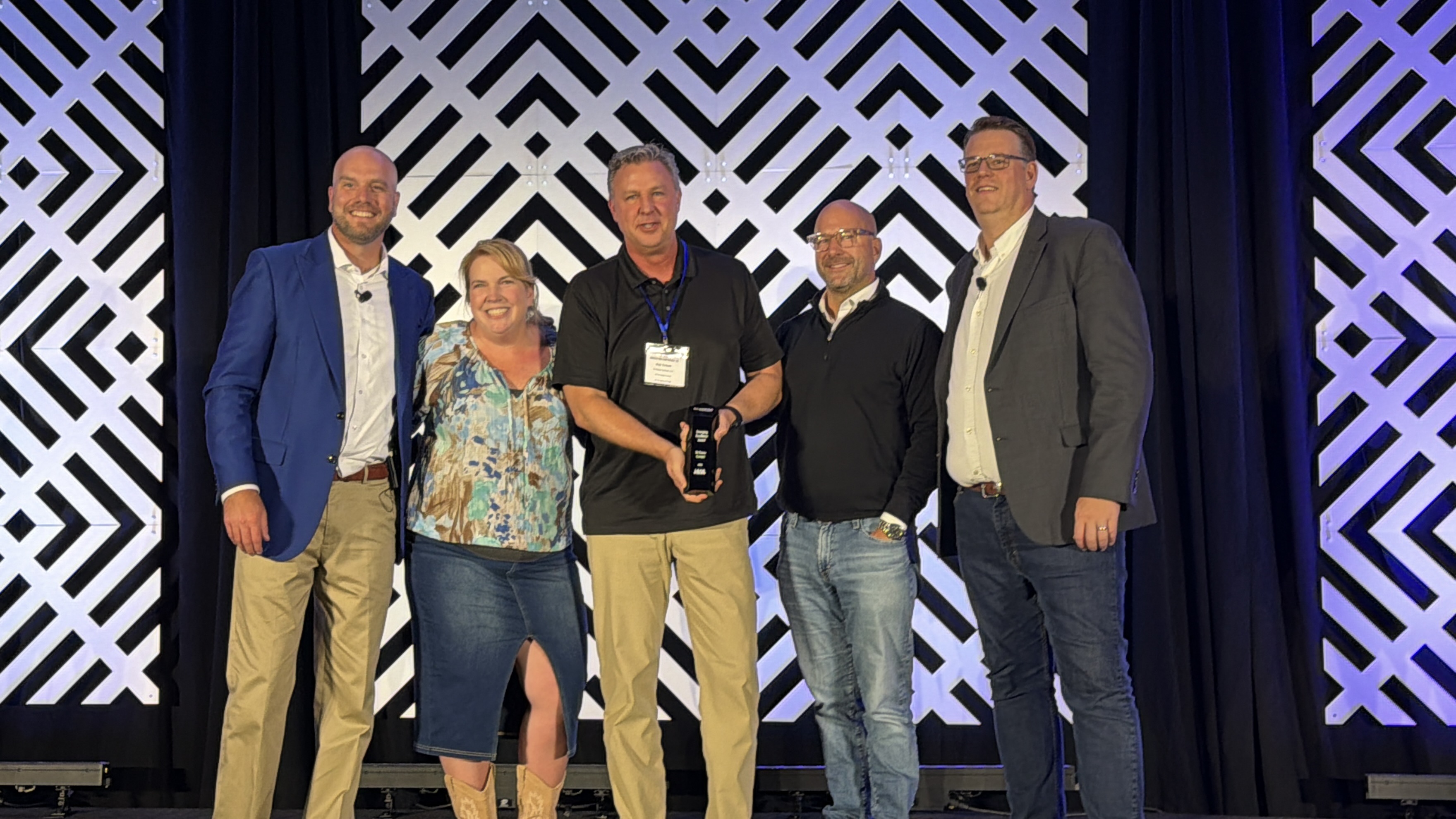
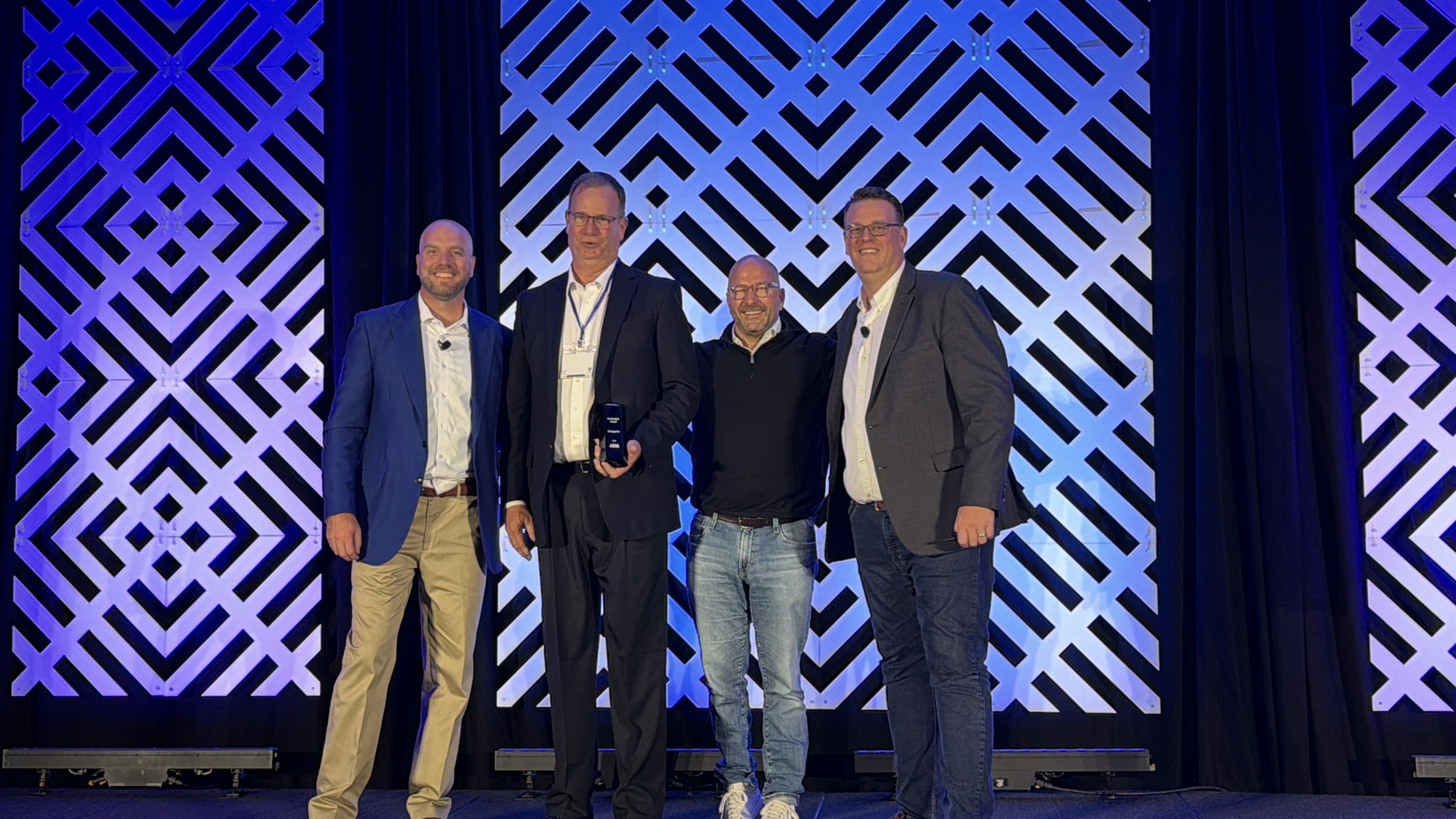
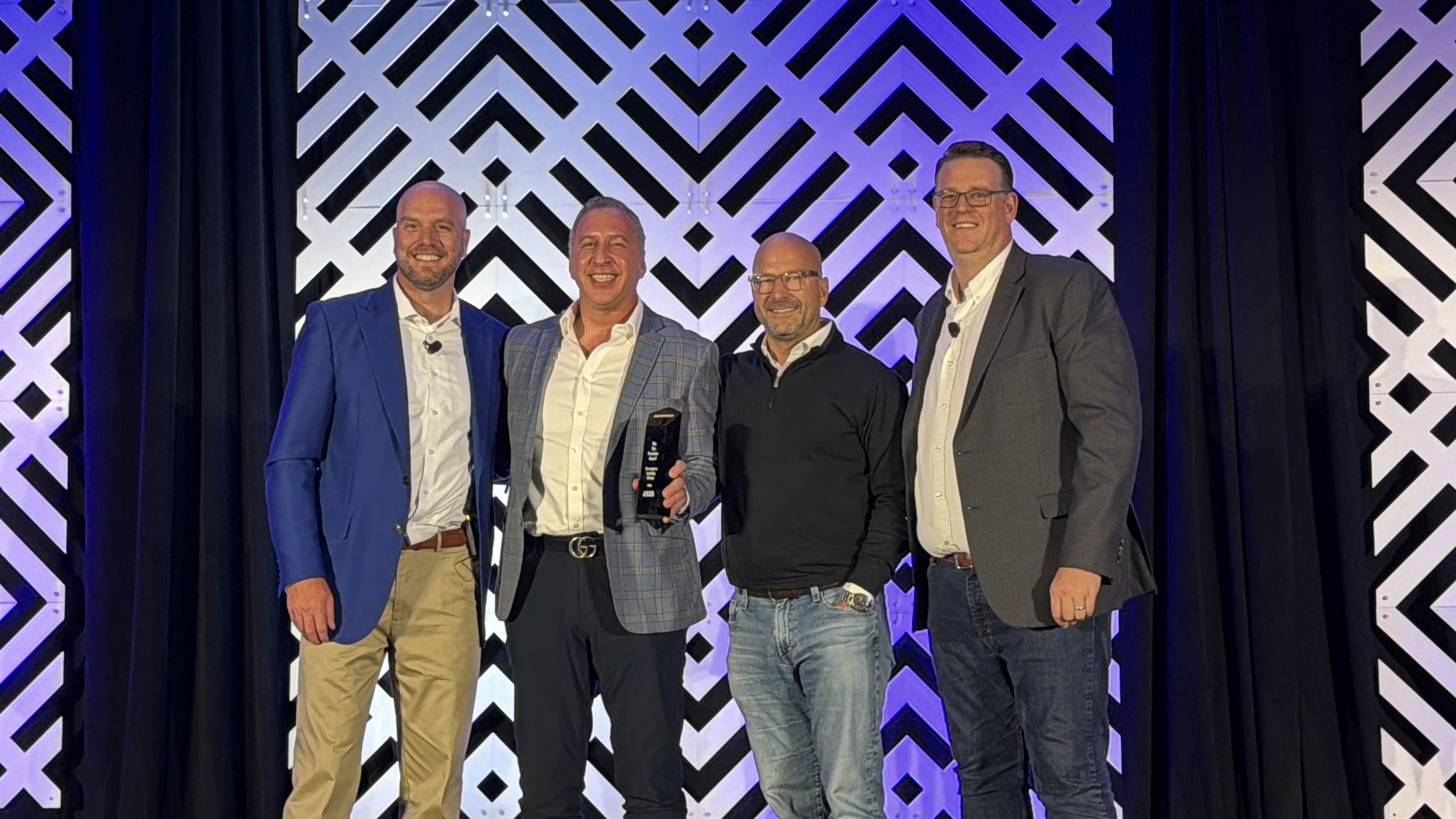
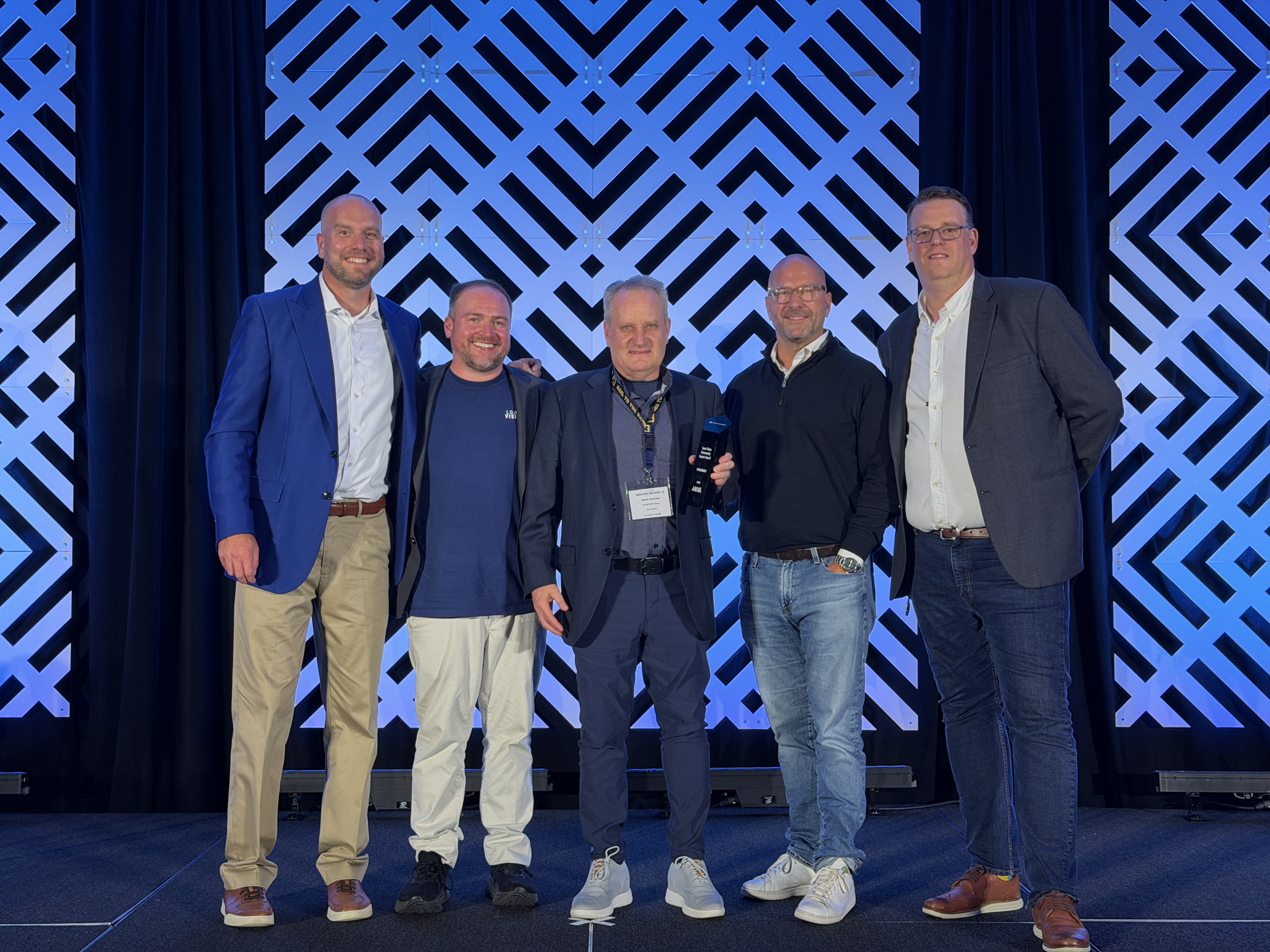
At the third annual LV Awards, Loan Vision recognized customers and partners whose innovation, collaboration and impact continue to move the Loan Vision community forward.
NOVA Home Loans received the Luna Award, while Volt Technologies was recognized with the Technology Innovation Partner Award, Continia received Support Partner of the Year, and STRATMOR Group received the Loan Vision Community Impact Award.
Among the Loan Vision customer community, TriPointe Connect received the Emerging Excellence Award, while MortgageOne received the Acceleration Award.
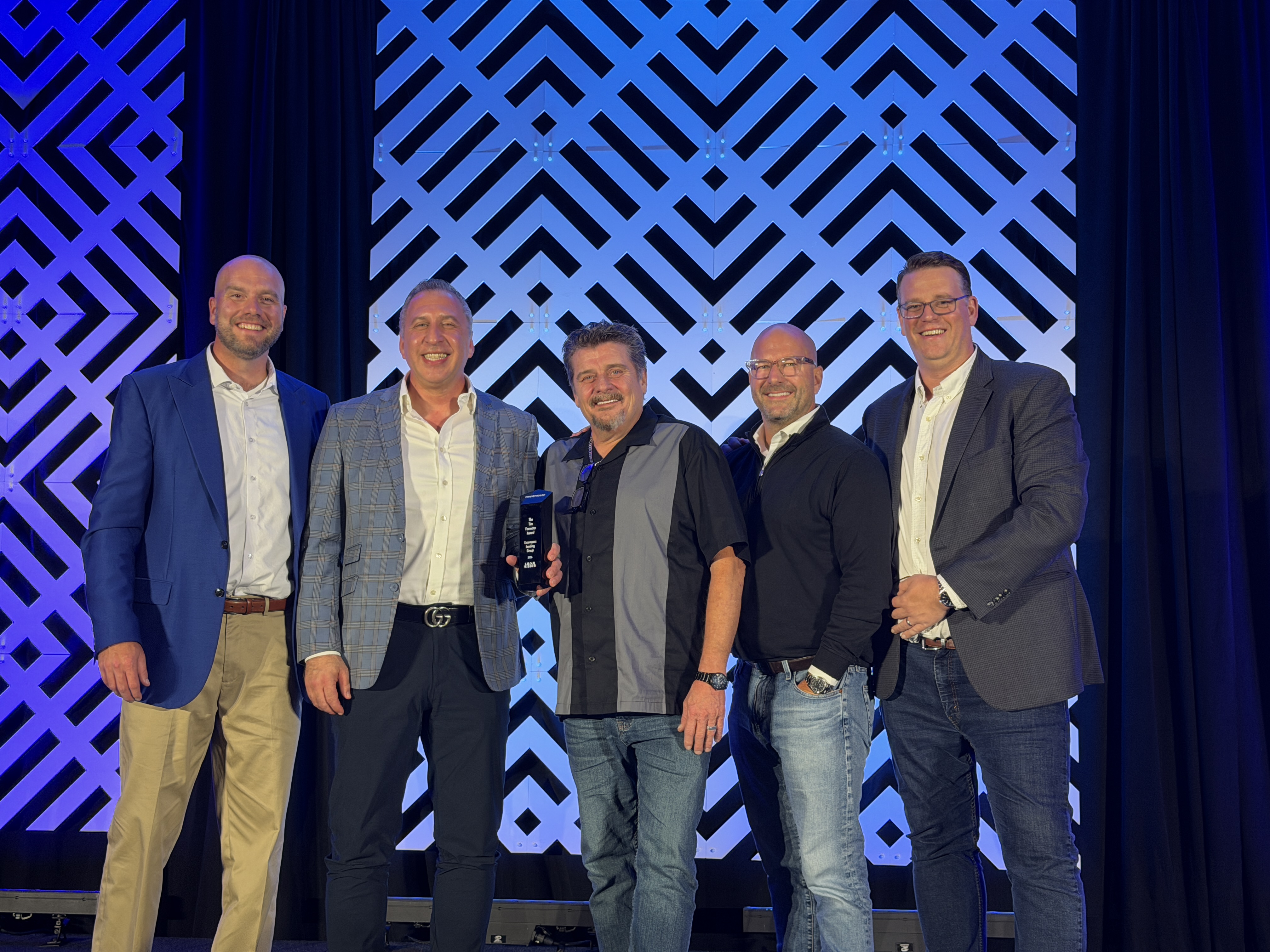
Finally, Encompass Lending Group received the Tim Forrester Award.
These recognitions represented more than individual accomplishments. Together, the winners reflected the collaboration, innovation and willingness to evolve that continue to strengthen the Loan Vision community.
Technology Changes. Excellence Is Still Human.
After two days filled with conversations about AI, automation, profitability and operational transformation, Sarah Wells brought LVIC26 back to the human side of progress.
In The Pursuit of Excellence: How to Cultivate Unstoppable Excellence in Yourself & Your Organization, the Olympian and PanAm Silver Medalist challenged attendees to think about excellence not as perfection, but as a mindset built through resilience, courage, higher standards and a willingness to do things differently.
It was a fitting conclusion.
Because even as the technology available to mortgage organizations becomes dramatically more capable, technology alone does not determine what happens next.
People do.
The organizations that create meaningful change will be the ones that pair better technology with strong leadership, clear processes, responsible governance and teams willing to rethink how work gets done.
The Impact of LVIC26 Starts Now
A conference can be measured by attendance, sessions, speakers and conversations.
Its impact is harder to quantify.
It is the control a finance leader realized was missing.
The AI use case an executive now wants to explore.
The conversation that challenged a leader to think differently about profitability.
The connection between two attendees that continues long after Dallas.
The new approach an organization takes back to its team.
And the feedback from customers that becomes part of what Loan Vision builds next.
That is where the real impact of LVIC26 begins.
It is also what makes LVIC more than a technology conference. It is where customers, partners, industry experts and the Loan Vision team come together to examine what is changing, share what is working and help shape what mortgage finance can look like next.
LVIC26 showed an industry moving beyond simply doing more with less.
The opportunity now is to do more differently.
Thank you to every attendee, speaker, sponsor, partner and Loan Vision team member who made Dallas possible.
And while LVIC26 may be over, the conversations it started are only beginning.

Haleigh Heilman
As Marketing & Communications Manager II at Loan Vision, Haleigh Heilman specializes in developing and executing demand generation strategies across multiple channels to drive sales opportunities and align marketing efforts with revenue goals. Haleigh manages external-facing content, oversees event planning, and fosters industry relationships, ensuring impactful engagement and brand presence through campaigns, corporate events, and industry partnerships.












Ready to Grow and Scale Your Operations?
Gain unparalleled efficiency, compliance, and insights with Loan Vision. Begin your journey with us today.
Microsoft Certified Partner



.png)